
Industrial Hemp · Agricultural Projects
Legal advice for agricultural hemp projects
Sowing industrial hemp is legal, but a profitable agricultural project needs more than seed and land: crop purchase contracts, properly leased land, CAP aid without surprises, and a clear plan for the flower. We support farmers, cooperatives, and investors so the project can grow with legal certainty. Contracts, land, CAP, and compliance: your industrial hemp project, with legal certainty from sowing.
What agricultural legal advice includes for a hemp project
The idea that puts everything else in order before you sign anything.
An industrial hemp project is legal without AEMPS authorisation when it grows listed varieties using certified seed (THC at or below 0.3%) and allocates the harvest exclusively to fibre, grain, or seed. Agricultural legal advice turns that rule into a defensible project: farm structure, land leasing, crop purchase contracts, CAP declarations and controls, management of the flowering tops, dealings with the Administration, and criminal risk prevention.
If your project targets flower or cannabinoids, it is no longer an agricultural hemp project: it requires AEMPS authorisation, which we explain in AEMPS licences for cannabis projects. This page focuses on the industrial route, within our industrial hemp lawyer service.
Why does an agricultural hemp project need a lawyer?
Because the problems in a hemp field are almost never agronomic. They are contractual, administrative, or, in the worst case, criminal.
“With certified seed, everything is already in order.”
Seed is the first piece of evidence, not the only one. You need a documented industrial destination, a registered holding, a coherent CAP declaration, and a plan for the flowering tops. A failure in any of those pieces reopens the question of what the crop was really for.
“I’ll look for a buyer once I have the harvest.”
A crop without a buyer is a crop without a demonstrable destination, and a warehouse full of hemp with no contract is exactly what you do not want to explain during an inspection. The crop purchase contract is signed before sowing.
Ministry and autonomous communities
They regulate agricultural cultivation, manage the CAP, the farm register, and in-field THC controls under the European procedure.
AEMPS
It only comes into play if the project leaves the industrial route: cultivation for flower, cannabinoids, medical purposes, or research.
Law enforcement
A hemp field is visible from the road. The Ministry recommends notifying the cultivation to avoid misunderstandings, and it is advisable to have the documentation to hand.
The legal route for an agricultural hemp project
Six stops best taken in order. Skipping one does not speed up the project: it shifts the problem to the first inspection.
Model and structure
Individual farmer, company, cooperative or SAT, or an investor-backed project: each form has consequences for liability, taxation, and access to aid. If there are investors, the business plan must be realistic; we work on this in the industrial hemp business plan.
Land and leases
Rural agricultural lease agreements under Law 49/2003, with clauses on crop type, term, improvements, and who is responsible in the event of an inspection. Title or contract for each plot is the basis for the declaration.
Seed and suppliers
Purchase of certified seed of listed varieties from authorised suppliers, with invoice and official labels. If you want to produce seed, registration as a producer and official certification control.
Buyer and destination
Purchase contracts or contract-growing agreements with fibre processors or grain buyers: quality, price, delivery, rejection of batches, and documented industrial destination.
CAP declaration and controls
Registration of the holding, declaration of the variety and seed, and compliance with the control calendar: the crop is kept at least until ten days after the end of flowering, under Royal Decree 1047/2022.
Harvest, flowering tops, and record-keeping
Delivery to the buyer, documented management of the flowering tops (which cannot be used without AEMPS), and filing of all campaign documentation.
The legal cycle of a hemp season
Six moments, one obligation in each. This is how we plan with the farmers and cooperatives we support.
- Planning: listed variety, land with a contract, and a signed buyer before sowing.
- Buying seed: certified, with an invoice and official labels kept from day one.
- Declaring: registered farm and CAP declaration with the variety and seed documentation.
- Flowering and control: the crop is maintained for official THC sampling.
- Harvesting: delivery for fibre or grain and documented management of the flowering tops.
- Archiving: complete season folder, at least three years, ready for any control.
If you want to delve into the general framework before planning, we explain it in our guide on industrial hemp cultivation in Spain and in legal differences between CBD, THC, and hemp.
What falls within an agricultural hemp project—and what does not
The industrial hemp regime is generous with fibre and grain, and very strict with flower.
Within the agricultural project
- Outdoor cultivation of listed varieties with certified seed.
- Production of fibre, straw, grain, or seed for sale to industry.
- Grain derivatives (oil, flour, protein) for food, with their own THC limits.
- Production of certified seed by registered producers.
Outside the agricultural project
- Harvesting, drying, or selling flower or flowering tops, including for CBD extraction.
- Horticultural or greenhouse cultivation aimed at flower.
- Propagation by cuttings or sale of seedlings.
- Storing flower “just in case” while waiting for buyers.
We analyse the most recent criminal-law criterion on flower in the Supreme Court ruling on CBD flowers. And if a THC test comes back high, it is advisable to review how the sample was taken before raising the alarm: we explain this in our guide on certified seed and THC.
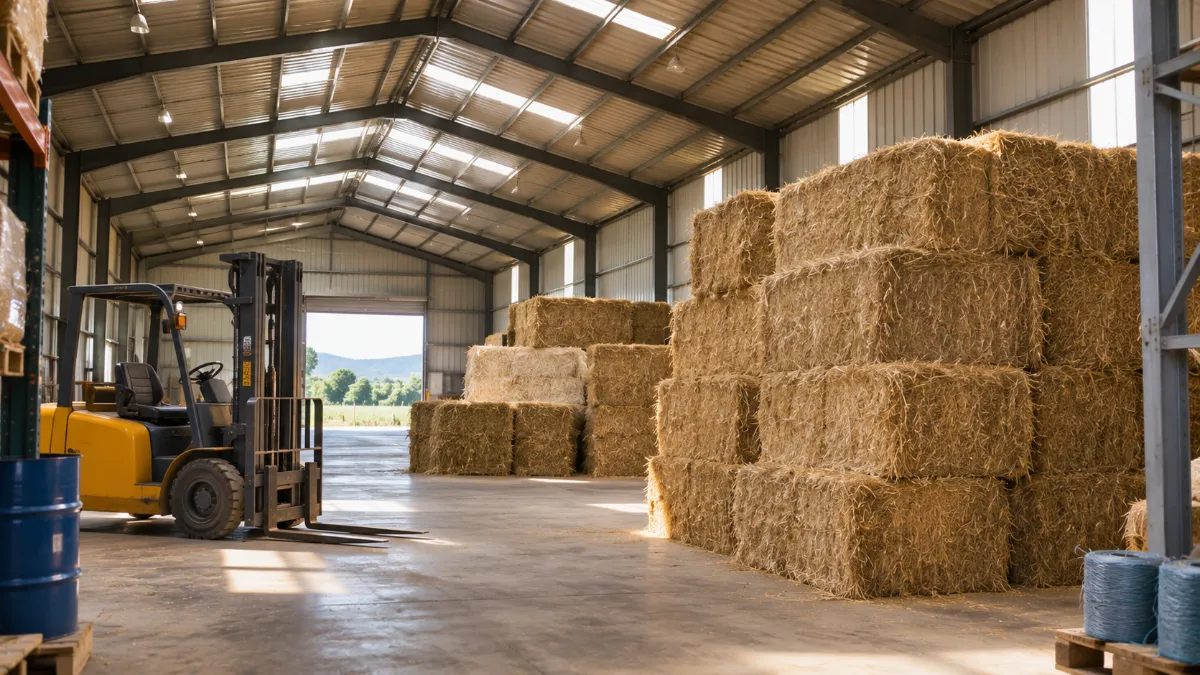
“The agricultural hemp projects that work best are the most boring on paper: a signed buyer, land under contract, documented seed, and a campaign calendar that respects the controls. What causes the most problems is the last-minute temptation with the flower. My job is to ensure that temptation does not put an entire campaign at risk.”
Gabriela Sierra · Lawyer specialising in cannabis and hemp lawWhat we see at Lawyer Sierra in hemp projects
Patterns that repeat in consultations from farmers, cooperatives, and investors. These are not statistics: it is firm experience.
“The typical consultation arrives in August, with the crop in flower and an offer to sell the flowering tops. At that point, you are no longer planning: you are managing a risk. That is why we insist so much on sitting down before sowing.”
“When an investor enters an agricultural project, my first question is who is buying the harvest and under what contract. If the answer is vague, the project is not yet ready to receive money.”
“One folder per season, with everything inside: seed, plots, declaration, buyer, and destination of the flowering tops. It is the best insurance that exists for a hemp field, and it costs almost nothing.”
What kind of project are you working on?
Each profile has different questions. These are the three situations we most often support.
Farmer starting out in hemp
You want to add hemp to your rotation without surprises.
- Review of variety, seed, and supplier.
- Contract with the buyer before sowing.
- CAP declaration and a campaign file ready for inspection.
Cooperative or group
You organise several producers to provide volume to industry.
- Structure: cooperative, SAT, or an integration agreement.
- Framework contracts with processors and allocation of responsibilities.
- Shared protocols for seed, controls, and flowering tops.
Investor or processing company
You want to secure raw material or invest in a hemp project.
- Legal due diligence on the project and the farmers.
- Contract-growing agreements with quality and destination guarantees.
- Criminal risk prevention with a compliance system for farmers.
The most costly mistakes in a hemp project
None are exotic. We have seen them all, almost always in good-faith projects.
- Sowing without a signed buyer and ending up with a harvest with no demonstrable destination.
- Losing the official labels from the bags or the seed invoices.
- Leasing land under a generic contract that does not mention the crop or allocate responsibilities.
- Harvesting too early and preventing THC control, putting CAP aid at risk.
- Keeping dried flowering tops in the warehouse because “someone will buy them for CBD”.
- Taking on partners or investors without due diligence or clear agreements on the destination of the harvest.
One simple rule for the whole project
Every campaign decision should be explainable with a document: the variety with its label, the plot with its contract, the harvest with its buyer, the flowering tops with their destruction. When all the pieces fit, an inspection is a formality. When one is missing, the question stops being agronomic and becomes what the crop was really for.
How we work on your agricultural hemp project
Support by campaign, from planning through to filing the last invoice.
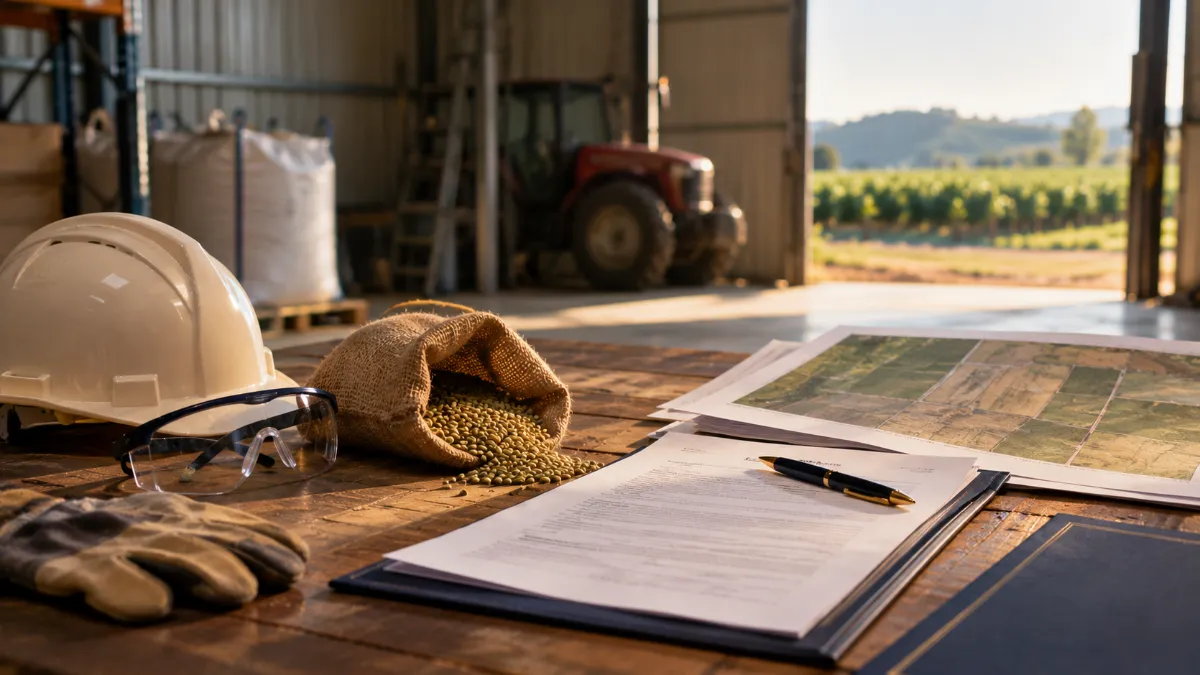
- Project assessment: model, structure, partners, and fit within the industrial route or the AEMPS route.
- Contracts: rural agricultural leases, crop purchase, contract growing, and agreements between producers.
- Campaign compliance: seed, holding registration, CAP, controls, and management of flowering tops.
- Dealings with the Administration: notifications, requests for information, and field inspections.
- Criminal risk prevention: protocols and training so the project is defensible under any control.
Assessment
Project, land, partners, and destination: which regime applies to you and what is missing.
Contracts
Leases, crop purchase, and agreements between partners or producers.
Campaign
Seed, CAP declaration, control calendar, and management of flowering tops.
Follow-up
Inspections, regulatory changes, and preparation for the next campaign.
The contracts an hemp project needs
Each contract answers a question the Administration or a buyer may ask you. This is the map we use to review a project.
| Contract | Question it answers | Clauses that must be included |
|---|---|---|
| Rural lease | On what legal basis are you farming that plot? | Agricultural use, industrial hemp cultivation permitted, term, improvements, and allocation of responsibilities in the event of inspections |
| Purchase of certified seed | Which variety did you sow? | Listed variety, category, batch, quantity, and delivery of official labels |
| Crop sale or contract growing | What is the crop for? | Destination to fibre or grain, quality standards, delivery, rejection of batches, price, and express exclusion of the flowering tops |
| Agreement between producers or partners | Who is responsible for what? | Common protocols for seed, controls and flowering tops, contributions, and partner exit |
| Harvesting or transport services | Who moves the plant, and where to? | Delivery traceability, documentation accompanying the load, and declared destination |
Indicative map prepared by Lawyer Sierra. Each project requires reviewing its specific contracts.
Book your online consultation with Gabriela Sierra
If you already know what you need, you can book and pay right here. Choose the format that fits your question: a consultation of up to one hour or a written response.
- Secure payment processed by Stripe
- Prices include VAT
- Invoice from the firm after payment
- Professional secrecy and confidentiality
First legal consultation
Up to one hour with Gabriela Sierra to review your situation, answer your legal questions, and decide on next steps.
- Consultation of up to 1 hour
- With Gabriela Sierra, lawyer registered with the ICAB
- Assessment of next steps
Personalized written consultation
Tell us about your case and receive an initial written assessment with our recommended next steps.
- Initial assessment of your case
- Recommended next steps
- You can attach a document of up to 2 pages
Brief written consultation
A specific legal question and a brief written response, for queries that can be resolved without reviewing documentation.
- One specific question
- Written response
- No document review
- 1You choose the service and pay securely via Stripe.
- 2The firm receives the payment and contacts you to arrange the service.
- 3You receive the invoice from Lawyer Sierra by email.
If your case doesn’t fit any of these services, write to us and we’ll prepare a tailored proposal for you. See all the services you can book online
Frequently asked questions about agricultural hemp projects
These answers are general guidance: each holding and each campaign require their own analysis.
Do I need authorisation for an industrial agricultural hemp project?
You do not need AEMPS authorisation if you grow listed varieties with certified seed and allocate the harvest exclusively to fibre, grain, or seed. You must comply with agricultural regulations: register the holding, declare the crop in the CAP if you apply for aid, and comply with THC controls.
What contracts does an agricultural hemp project need?
At a minimum: the lease or title for the plots, the purchase of certified seed with an invoice, and a purchase contract or contract-growing agreement with the fibre or grain buyer. If there are multiple producers or investors, an agreement allocating responsibilities and setting the destination of the harvest is advisable.
Can I sell the flower from my hemp crop?
Not without AEMPS authorisation. Flowering tops are considered a narcotic even if they come from a listed variety, and any use, including CBD extraction, requires authorisation. In an agricultural hemp project, the flower must be managed and, where applicable, destroyed with documentation.
What THC controls apply to a hemp crop with CAP aid?
The autonomous communities check in the field the THC content of varieties under the procedure in Delegated Regulation (EU) 2022/126. The crop must be kept under normal conditions at least until ten days after the end of flowering to allow sampling, under Royal Decree 1047/2022.
Is it advisable to set up a cooperative to grow hemp?
It depends on volume and buyers. A cooperative or a SAT makes it possible to pool production, negotiate with processors, and share compliance protocols, but it requires bylaws and clear agreements on seed, controls, flowering tops, and each member’s responsibilities.
What happens if my hemp field is inspected?
Typically, they check the variety, the seed, and the destination of the crop. Having the seed labels and invoices, the holding registration, the CAP declaration, and the contract with the buyer to hand turns the inspection into a formality. If the THC result is high, it is advisable to review with a lawyer how the sample was taken.
Your hemp project, grounded in reality and the law
Tell us what stage your project is at: land, seed, buyers, partners. We review every piece and provide a clear plan for the season. First assessment without obligation, within our industrial hemp lawyer service.
ICAB-registered · In the cannabis sector since 2012 · Projects across Spain

Gabriela Sierra Fontecilla
ICAB-registered lawyer specialized in cannabis law since 2012. Lecturer in the Cannabis Master’s at CannabisHub with the University of Barcelona and participant in collective regulatory initiatives in the sector. She supports farmers, cooperatives, and investors in industrial hemp projects across Spain.
Meet Gabriela Sierra →The content of this page is for information and educational purposes only and does not constitute legal or agronomic advice. The agricultural and narcotics regulations applicable to hemp may be applied differently in each autonomous community and are evolving; therefore, specific obligations must be verified for each holding and campaign, and no decision should be taken without individualised professional advice. Nothing stated here promotes cannabis consumption. The images on this page are illustrative recreations generated with the help of artificial intelligence. Information updated as of November 2026.